Why Study the Feasts?
A couple of years ago, the Lord put it on my heart to study the mandated feasts. I thought I’d share some cool things I learned about the fall feasts this season, since they are coming up. There are 7 mandated feasts in the Bible as laid out in Leviticus 23. Some interesting mysteries surrounding these fall feasts that might surprise you.
The first four feasts are Passover, Unleavened Bread, First Fruits and Pentecost. These festivals are believed to have been fulfilled by the Messiah. Let me explain – Passover, which we understand as Easter, was fulfilled when Jesus, being the Passover lamb, was killed during Passover (1 Cor. 5:7). Unleavened bread is represented by the body of Jesus in communion (Mark 14:22), First Fruits represents the resurrection (1 Cor. 15:20) and Pentecost is when the Holy Spirit fell after Jesus’ ascension to Heaven (Acts 2). There is a lot more to the first four festivals but that is for a different discussion.
The last three feasts, Rosh Hashanah, Yom Kippur and Sukkot, have not yet been fulfilled.
The Lord spoke to Moses, saying, “Speak to the people of Israel and say to them, these are the appointed feasts of the Lord that you shall proclaim as holy convocations; they are My appointed feasts.” Leviticus 23:1-2
Notice how the Lord says these feasts are HIS. The feasts laid out in the Old Testament were very important to God and are referenced throughout our Bible.
Keep your feasts, O Judah; fulfill your vows.
Nahum 1:15
So, why should we learn about Old Testament feasts? When you love someone, you want to know and understand everything about them. Well, we love Jesus! And Jesus was Jewish and He followed Jewish traditions. These traditions should be know by all of God’s people, Jew and gentile. But not only that, many mysteries are revealed by understanding the Jewish tradition of the fall feasts.
The New Year
We must know the Old Testament to fully understand the New Testament. Rosh Hashanah is the head of the year or New Year. It is also known as the Feast of Trumpets or Yom Teruah, which means day of shouting. This festival is a time of reflection and repentance. Rosh Hashanah marks the beginning of the Jewish High Holy Days and the beginning of the 10 Days of Repentance (or Awe) leading up to Yom Kippur – the Day of Atonement.
“On the first day of the seventh month you shall have a holy convocation. You shall not do any ordinary work. It is a day for you to blow the trumpets.”
Numbers 29:1
Rosh Hashanah occurs in the seventh month of the Hebrew calendar (which is different from our calendar). The seventh month on the Hebrew calendar is called Tishrei, which for us, is around September/October.
“Speak to the people of Israel, saying, in the seventh month, on the first day of the month, you shall observe a day of solemn rest, a memorial proclaimed with blast of trumpets, a holy convocation. You shall not do any ordinary work, and you shall present a food offering to the Lord.”
Leviticus 23:24-25
Traditions
In the Jewish culture, a day begins at sundown, not midnight. So beginning at sundown, traditions begin for Rosh Hashanah. Candles are lit and prayers are said, then dinner begins. Often the Jewish people will celebrate with apples dipped in honey – signifying a sweet year to come. Pomegranates, honey cake and challah bread are also popular. Challah bread is a delicious sweet bread that I personally love.
Families often go to Synagogue (a house of worship) during the day and in the evening. They read from the Torah (the first five books of the Old Testament) and pray.
The Shofar – Jericho
One fascinating part of Rosh Hashanah is the shofar. The shofar is an ancient musical instrument, usually made of ram or antelope horn. This horn has been used for over 4000 years by the Jewish people. Shofars come in a variety of sizes and shapes. Blowing the shofar demands attention, like an alarm clock, awakening us from our spiritual sluggishness. It serves as an amazing reminder of our great King of Heaven. Blowing the shofar can also be a symbol of power, like when the horn was blown when the walls of Jericho fell down, in Joshua 6.
And the Lord said to Joshua, “See, I have given Jericho into your hand, with its king and mighty men of valor. You shall march around the city, all the men of war going around the city once. Thus shall you do for six days. Seven priests shall bear seven trumpets of rams’ horns before the ark. On the seventh day you shall march around the city seven times, and the priests shall blow the trumpets. And when they make a long blast with the ram’s horn, when you hear the sound of the trumpet, then all the people shall shout with a great shout, and the wall of the city will fall down flat, and the people shall go up, everyone straight before him.”
Joshua 6:2-5
Shofars and Trumpets
The shofar marks moments of celebration and coronation. Blowing the shofar also marks the beginning of the 10 Days of Repentance, which begins the first day of Rosh Hashanah and ends on Yom Kippur.
With trumpets and the sound of the horn make a joyful noise before the King, the Lord!
Psalm 98:6
Interestingly, it is understood that when Jesus returns, He will be announced with the sound of a trumpet. There were both metal trumpets and shofars used in ancient times. The metal trumpets were reserved for the priests.
For the Lord himself will descend from heaven with a cry of command, with the voice of an archangel, and with the sound of the trumpet of God.
1 Thessalonians 4:16
During Rosh Hashanah, it is common for families to send cards to one another, wishing each other a sweet New Year to come. Friends write positive notes to one another wishing good health, hope and peace (shalom).
Reflection
Many practice a time of reflection, called Tashlikh, which means to send away. Sins are written down and then symbolically cast out into a body of moving water. Many use bread as a symbol of their sins so they can physically throw it in the water. This is a time to reflect on what a person may have done wrong over the past year and how to be a better person going forward. It is a season to think of others and how to improve oneself.
Examine yourselves, to see whether you are in the faith. Test yourselves. Or do you not realize this about yourselves, that Jesus Christ is in you?
2 Corinthians 13:5
The Book of Life
Jewish tradition teaches that God writes every persons thoughts, deeds and past experiences (good and bad) down in the Book of Life. During the 10 Days of Repentance, a person will often repent, apologize to those they have wronged and do good deeds to ensure their name gets written (or stays) in the Book of Life.
Your eyes saw my unformed substance; in Your book were written, every one of them, the days that were formed for me, when as yet there was none of them.
Psalm 139:16
In the book of Revelation, the Book of Life is referenced in connection for those who overcome.
The one who conquers will be clothed thus in white garments, and I will never blot his name out of the Book of Life. I will confess his name before my Father and before His angels.
Revelation 3:5
Jesus Our Guide
Jesus loves us so much that we are able to go to Him for forgiveness. Our traditions and actions do not have to be perfect, nor must we try to get approval from others in order to be forgiven. However, this holiday is a great reminder that we still need to repent of our sins, pray to Jesus and ask Him for forgiveness.
Jesus may direct us to apologize or correct our mistakes. But He is the one we look to for guidance. Jesus loves us and redeems us. In Revelation 21:27, the Book of Life is referred to as the Lamb’s Book of Life when describing the New Jerusalem. The Lamb is understood to be Jesus.
By its light will the nations walk, and the kings of the earth will bring their glory into it, and its gates will never be shut by day – and there will be no night there. They will bring into it the glory and the honor of the nations. But nothing unclean will ever enter it, nor anyone who does what is detestable or false, but only those who are written in the Lamb’s Book of Life.
Revelation 21:24-27
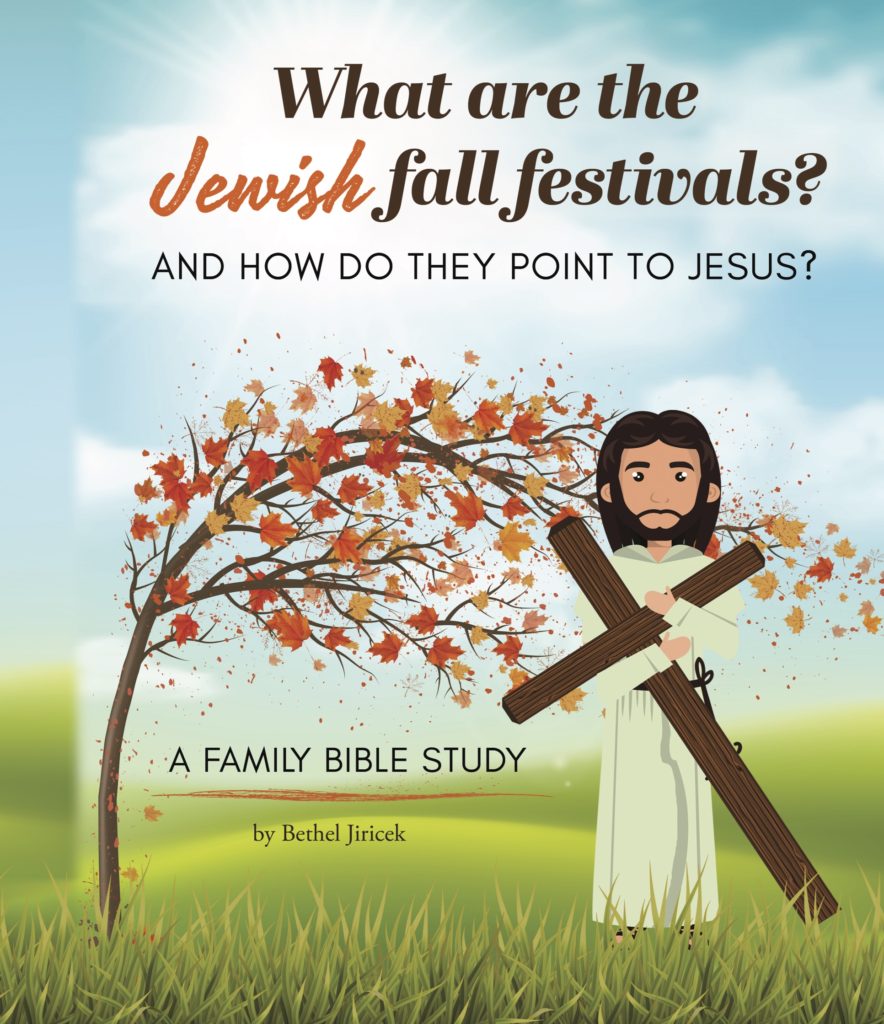
So to recap Rosh Hashanah, this holiday is full of rest, reflection, celebration and repentance. The fall festivals are grouped together for a reason, and yet, all are unique and complex on their own as well. How does this fit into Jesus’ return? Find out more in the book – What Are the Jewish Fall Festivals and How Do They Point to Jesus?
Leave a Reply