
WHAT WORKS BEST?
Many of us who suffer from eczema have found that our everyday products (lotions, cleansers, laundry detergent, etc.) can cause skin irritation. Trying to find a replacement product is usually pretty difficult. Petroleum based products, such as Vaseline, are a popular lotion replacement because they are easy on the skin, have minimal ingredients and are somewhat effective at temporarily clearing up eczema. HOWEVER, the petroleum-based products do not heal your skin or allow your skin to breathe properly. They also are known to be carcinogenic. So, instead of turning to a product that may be harmful to your health, pure body oils may be a better solution.
NATURAL ALTERNATIVES
1. Coconut Oil: Organic, raw, cold-pressed and unrefined is best. Some swear by organic coconut oil. Its nourishing properties have been known to heal and treat eczema. However, for others, such as myself, using straight coconut oil is either not effective or can it be irritating to the skin. This may be from the slightly gritty texture. If you are just starting out with oils, try a test area to make sure you do not have any reaction and that it is improving skin texture and eczema breakouts. That being said, having coconut in your regular diet is great for the skin. If you are not able to put it on your skin, try using it in your smoothies and heal from the inside out!

2. Jojoba Oil: This is one of my favorite oils. It can be very therapeutic for the skin. I use it primarily as a carrier oil when I want to apply essential oils directly to the skin. It may seem a little greasy but it absorbs well. It also helps to balance skin.
3. Almond Oil: Cold-pressed is best. It can be very nourishing for the skin. An anti-inflammatory and helps with itchiness.
4. Avocado Oil: Cold-pressed is best. Has beneficial Omega-6 that nourishes the skin. Avocado works great as a topical oil, although eating an avocado a day can also give your skin and hair a beautiful glow. So eat them up!
5. Grapeseed Oil: Penetrates the skin well but not as healing as the other oils. A very mild oil.
6. Apricot Kernel Oil: Absorbs very easily. Similar properties to almond oil. Nourishing and healing to the skin. It also helps with fine lines.
7. Sunflower Oil: Contains important peptides which may help with collagen building. Very helpful at repairing skin cells. A mild, universal oil.
8. Safflower Oil: Similar to sunflower oil. Soothes rough skin and helps improve skin’s texture.
9. Sea Buckthorn Oil: Both the berry and seed oil are beneficial. However, the berry oil tends to be favored for skincare. It can heal skin injuries such as eczema. An amazing oil with healing properties but can be very expensive. I usually mix this oil with a cheaper one, like sunflower, to make it go further.
10. Sesame Oil: Surprisingly this commonly used Asian food oil has a lot of nutrients in it. It helps with skin softening, is rich in vitamins and is easy on the skin. It does have a strong smell to it, so smell it before applying to make sure you are okay with the scent.
11. Evening Primrose Oil: Can be very healing for dry skin. Helps with skin repair, inflammation and irritation. Mostly sold in capsule form. Break and apply directly to skin or mix with a carrier oil.
12. Rosehip Oil: An amazing oil that has been used for centuries. It helps with scarring and eczema. It is a great source of retinoic acid. Pure organic Rosehip Oil can be very pricey, so I usually use it as a facial serum or for spot treatment.
13. Calendula Oil: Very effective at chapped lips and chapped skin. Can treat cuts, bruises, inflammation and of course eczema.
14. Carrots Seed Oil: Carrot seed oil is full of nutrients including beta carotene and vitamins A and E. Carrots have soothing healing properties, beneficial nutrients for the skin and can help with itchiness.
A Side Note About Olive Oil: Some have reported improvement using olive oil. However, from the research I have done, and personal experience, it should be noted that olive oil can actually break down the skin’s barrier over time. So even though you may see improvement at first, it may cause trouble for your skin later. I would use one of the other oils listed when starting out. However, when using olive oil in the diet/cooking it can be very beneficial for the skin and is a great substitute for vegetable oils.
Other Topical Treatments
Aloe Vera: Straight from the plant is best. Aloe is known to assist healing of skin and wounds. It is what many turn to in the event of sunburn.
Cocoa Butter: Naturally contains beneficial nutrients that can benefit your skin. It is important to buy cocoa butter in its most pure form. Apply right after bathing for best results. A note of caution: some may find cocoa butter slightly irritating because of its gritty texture.
WANT MORE TIPS?
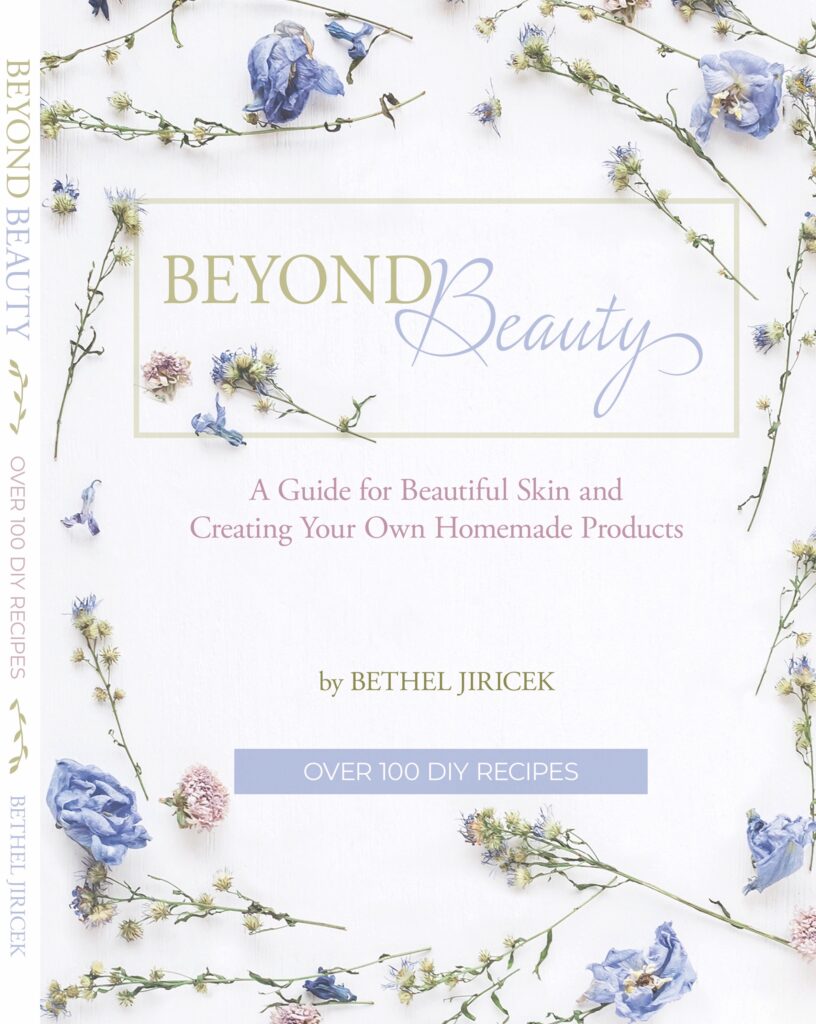
If you love learning about skincare, check out the Beyond Beauty guide, available on Amazon. This book is full of helpful skincare tips as well as over 100 easy DIY recipes to try!

Leave a Reply