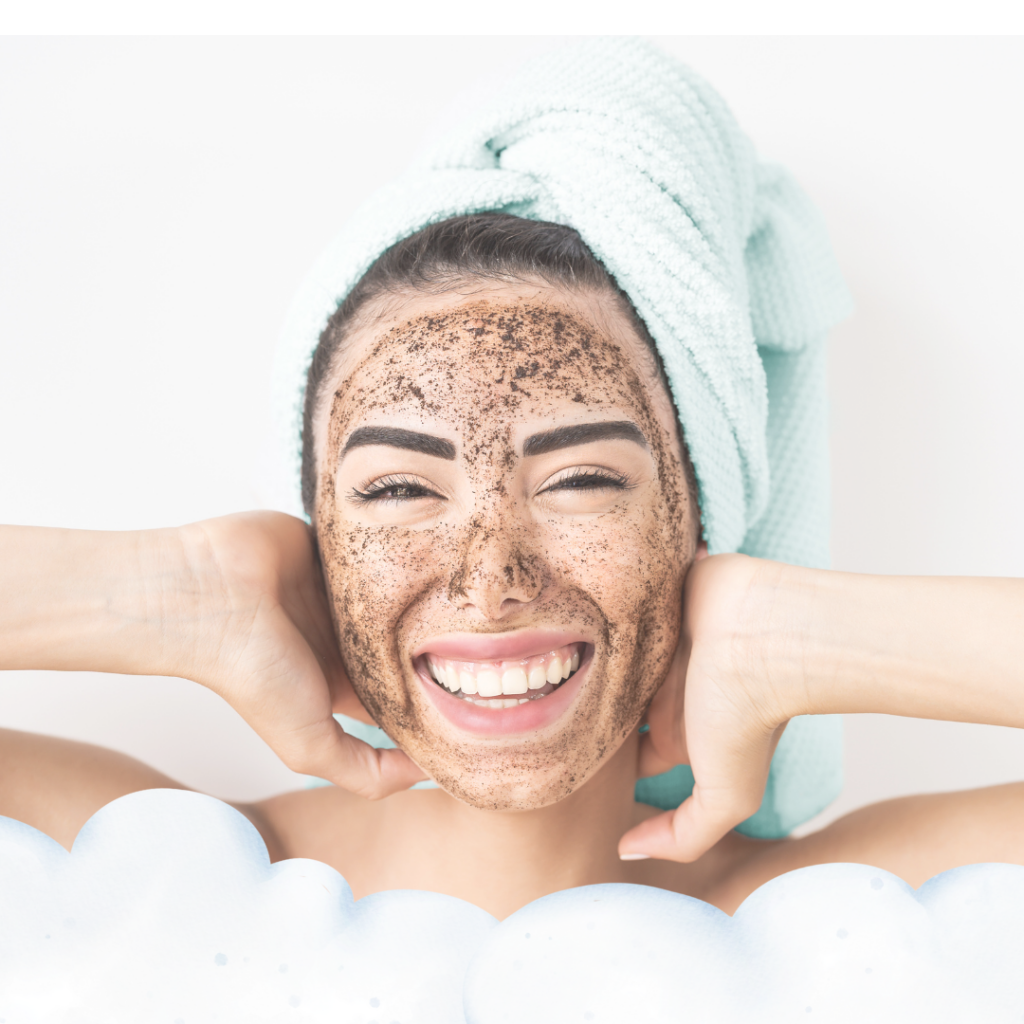
EXFOLIATION OF THE SKIN
Exfoliating is one of the easiest things you can do to instantly improve the texture and appearance of your skin. There are many benefits to exfoliating. However, it is important to note some of the dangers as well.
Extreme exfoliation has become quite popular. As an esthetician, microdermabrasion and harsh chemical peels are some the procedures that bring in more money for a professional. Nonetheless, it may not be the best option for the client. That being said, when exfoliation is done gently and correctly, it can be one of the best things you do for your complexion.
BENEFITS OF EXFOLIATING
- Removes dead skin cells
- Helps keep the pores clear, which helps with acne and breakouts
- Increases circulation
- Stimulates cell turnover
- Helps even out skin tone and discoloration
- Gives the skin a beautiful glow
- Keeps the skin soft and supple
- Helps minimize fine lines and wrinkles
DIFFERENT TYPES
There are two main types of exfoliants – chemical and mechanical. Chemical exfoliation is when an actual chemical is exfoliating the skin. Mechanical exfoliation is when a product, application or machine is physically exfoliating the skin. However, also included are enzyme exfoliants as they aren’t exactly chemical since they’re a more natural exfoliant. Here is a brief look at the types.
Chemical Exfoliants
Chemical exfoliants are usually referred to products that contain certain chemicals or ingredients that slough off dead skin cells. These ingredients can include alpha hydroxy acids (AHAs), resorcinol, trichloracetic acid (TCA) and beta hydroxy acids (BHAs). A popular chemical exfoliant is a chemical peel. Chemical peels are often provided by a dermatologist or esthetician. They are applied to the skin and the acid in the peel, ‘eats’ away at the skin. It is then washed off leaving the skin highly exfoliated.
Enzyme Exfoliants
Enzyme exfoliants are a little different than chemical exfoliants, as they are naturally occurring in some fruits and vegetables. They can have a similar effect on the skin as the chemical exfoliants do, however they are more gentle and natural. Fruits or vegetables with enzyme properties can break down dead skin cells and offer a mild exfoliation. Pineapple, pumpkin and papaya have natural occurring enzymes and are often used in masks and scrubs as a result.
Mechanical Exfoliants
Mechanical exfoliants are often referred to as scrubs. Scrubs include products that have ingredients such as salt, sugar, finely ground grains, beads and even fine sand. Mechanical exfoliant treatments can be performed by an esthetician, dermatologist or even at home. The more extreme methods can include microdermabrasion, dermaplaning, brushes and/or gloves.
- Dermaplaning can be quite hard on the skin. Using a sterile surgical scalpel, hair and dead skin cells are scraped off the skin. If done correctly, it can remove peach fuzz and leave you slightly red where the procedure was done. It is intended to be a deep exfoliation. However, if done incorrectly, or too harshly, it can leave you with scarring and/or a painful recovery. If you decide to do dermaplaning, make sure you have a highly skilled, licensed professional that comes highly recommended.
- Microdermabrasion is performed with an expensive machine, generally either the crystal microdermabrasion technology or a diamond-tip microdermabrasion. This procedure should always be done under the care of a licensed professional and ideally someone who has had extensive training on the machine they use and how it performs on clients with a variety of different skin types.
- Brushes or Gloves are also considered mechanical exfoliants. A rotating brush can be a great option for sensitive skin because you can move it very gently over the skin using a lighter pressure. The gloves can vary so be careful not to get one that is too rough on the skin.
DANGERS
- Inflammation
- Scarring or damage to the skin
- Redness
- Burning
- Unnecessary Peeling
- Sensitivity
Many times when trying to reverse damage to the skin, i.e. sun, scarring or discoloration, we think we need extreme measures. But this is not true. It is important to remember that it took time to create damage to the skin and it will take time to reverse it. The cell regeneration cycle of the skin takes about 30 days. You will see some immediate results from exfoliation but it may take about a month to see the best results. Get to know your skin’s sensitivity level and know your skin type. Start with a very gentle exfoliant and move up from there.
SKIN TYPE
Knowing your skin type before you choose the exfoliant you want to use will help you get the best results. Also, having a consistent skincare routine is very important. The most common skin types are:
- Oily – Skin feels oily most of the time, constantly fighting shine or greasiness, feeling like you constantly need to wash your face. Start with a salt or sugar scrub, gentle enzyme masks
- Dry – Dry and/or flaky patches on the face, skin regularly feels tight or itchy. Start with a sugar scrub or rotating brush and be sure to moisturize afterwards
- Normal – No real trouble with oily or dry skin, easy to take care of. Start slow with any of the exfoliants
- Combination – Part of the face is dry and part oily or part dry/oily and part normal, a constant battle trying to balance the skin. Start with a salt or sugar scrub, gentle enzyme mask or a rotating brush
- Sensitive – Any of the above skin types can have sensitive skin. Those with sensitive skin often burn easily in the sun and experience red skin easily when touched. Start with a VERY GENTLE exfoliant. A rotating brush or a gentle sugar scrub.
HOW OFTEN TO EXFOLIATE
Exfoliate 1-3 times per week depending on skin sensitivity and skin type. Gently massage exfoliants into the skin, taking your time. If a product irritates your skin, stop using it. Use a good serum and moisturizer after you have exfoliated.
MAKE YOUR OWN SUGAR SCRUB
There are lots of ways to get beautifully soft skin on your own. One great way to start is to make your own sugar scrub. Try this Coconut Lemon Sugar Scrub Recipe!

Hello my name is Rayaan and for a school an all natural face scrub. I was wondering when it comes to exfoliating which would you recommend natural or store bought and why? Thank you!
Hello Rayaan! I’m sorry it took me so long to respond 🙁 I love the natural face scrub because the ingredients are natural and pure, making them more beneficial for your skin. I hope that answers your questions. Thank you.